
Glossary
The words of the moving business, in plain English.
Fifty-seven terms you will hear from customers, rental counters, insurance agents and other movers in your first year, defined the way we would explain them to a new hire. Where a term has a number attached, the number is ours.

A
- Accessorial charges
- Anything billed on top of the base rate: stairs, a long carry, packing, a shuttle, a piano, waiting time. Big companies keep a tariff of them. A small company should list the handful it actually charges on the agreement so none of them is a surprise on the day.
- Agreement (Moving Services Agreement)
- The one-page contract the customer signs before the move: the date, the rate or the flat price, the deposit, the minimum, what is and is not included, the cancellation terms, and the valuation they chose. We send ours by email through SignNow within an hour of "yes." No signed agreement, no date on the calendar.
- Appliance dolly
- A tall two-wheel hand truck with a strap and a stair-climbing back, for refrigerators, washers, safes and stoves. Different from a furniture dolly. The first piece of equipment to buy that costs more than $100.
B
- Ballpark
- A rough number given before the questions are answered. Customers ask for one on the first call. Give a range, not a number, and get the photos before you commit to either. The script has the words.
- Bill of lading
- The legal document a regulated mover gives the customer on the day, listing what was loaded, the terms, and the valuation. Required for interstate moves and in many states for local ones. For a small local company the signed agreement plus the inventory does the same work, and if your state requires a formal one, its transportation department publishes the format.
- Binding estimate
- An estimate that is the price, no matter how long the job takes, as long as the scope does not change. A flat rate is a binding estimate by another name. A non-binding estimate is a guess and the customer pays actual time, which is hourly.
- Box count
- How many boxes are moving, which is the single number that most changes an estimate for a packed apartment. Ask for it and expect the answer to be low by a third. A one-bedroom is 20 to 40 boxes; a family house is 100 to 250.
- Broker
- A company that sells the move and hands it to someone else's truck. Most of the worst reviews in the industry are about brokers. When a customer says "the company I booked never showed up," they usually booked a broker. Never be one and never work for one you have not vetted.
C
- Cargo insurance
- Coverage for the customer's belongings while they are in your care. Separate from general liability, which covers their house and their body, and from valuation, which is the promise you make them on the agreement. Some state permits set a minimum.
- CDL
- A commercial driver's license. Not required for the trucks a small moving company drives: a 26-foot rental or a typical box truck is under the 26,001-pound rating where a CDL starts. Check the door sticker on anything you buy.
- COI (certificate of insurance)
- A one-page proof-of-insurance document your agent issues, usually free, naming who is covered and for how much. Apartment buildings ask for one before they let a truck in the loading dock. Google Local Services Ads asks for one before it lists you. Have a PDF ready to text.
- Crew lead (foreman)
- The mover who runs the job on site: does the walkthrough, decides the load order, talks to the customer, and collects the balance. The first real hire, and the reason an owner gets to stay off the truck. Pay at the top of the range.
- Cube sheet
- The old-school inventory form that estimates a move in cubic feet, item by item, to size the truck. Photos and a box count have mostly replaced it for local moves. Useful to know because a rental counter will still ask how many cubic feet you need: a one-bedroom is roughly 400 to 600, a three-bedroom house 1,200 to 1,600.
D
- Deposit
- Money collected when the customer books, credited against the final bill. Ours is 20 percent of the low end of the estimate, or a flat $100 on a small job, and the date is held when the money lands. Why, and what one August looked like without it.
- Drive time
- The billed time between the origin and the destination, and on a portal to portal job, the time from your shop to the customer and back. Say which one you bill on the agreement. Customers only object to drive time they were not told about.
E
- Estimate
- What you tell the customer the job will cost before it happens. A range on the first call, a firm number or a firm range after the photos. On the one job page it went from "$1,000" on the form reply to "4 to 6 hours, or $1,200 flat" after the pictures.
F
- Flat rate
- One price for the whole job, tied to a list of what is moving. Wins the job when the scope is defined and the customer is ready. Changes when the list changes, in either direction. The rule for when to quote flat and when to quote hourly, with five real jobs, is on the blog.
- FMCSA
- The Federal Motor Carrier Safety Administration, the federal agency that regulates interstate movers. It issues USDOT numbers and MC numbers, and its website is where a customer can look up whether an interstate mover is legitimate.
- Full-value protection
- The valuation option under which you repair, replace or pay the current value of anything you damage. The alternative is released value. Offer both on the agreement, price the full-value option, and let the customer choose in writing.
- Fuel surcharge
- A line item some movers add for gas. We do not. It is priced into the hourly rate and the customer sees one number. If you rent, fuel is part of the truck line on the calculator.
- Furniture dolly
- The flat four-wheel platform with carpeted rails that a dresser or a stack of boxes rides on. Two of them and an appliance dolly is the whole starting kit, along with blankets, wrap and straps.
G
- General liability (GL)
- The insurance that covers damage to the customer's property and injuries to people who are not your employees. The first policy to buy, the one the COI comes from, and the one every landlord and Google's LSA program asks for.
- Google Business Profile
- The free listing that puts you on Google Maps and in the "movers near me" results, with your phone number, photos and reviews. Your website for the first ten jobs. The fields to fill in and the photos to upload are on the first job page.
- Google Local Services Ads (LSA)
- The "Google Guaranteed" listings at the very top of the results, paid per lead rather than per click, available once Google has verified your business and your general liability insurance. The best paid channel in the business and a stage-three tool for that reason. Details on the tools page.
H
- Household goods (HHG)
- The regulatory term for what a residential mover carries: furniture, boxes, appliances, personal property. "Household goods carrier" is what your state permit, if it requires one, calls you. Commercial and office moves are usually regulated differently, and labor-only work often not at all.
- Hourly rate
- A price per hour for a crew and a truck, billed on actual time, usually portal to portal with a minimum. Ours is $200 an hour for two movers. Protects you when the scope is uncertain. Work yours out from your costs with the calculator.
I
- Interstate vs. intrastate
- Interstate means across a state line and is regulated federally by the FMCSA. Intrastate means within one state and is regulated by that state, which may require a permit, insurance minimums, or nothing. A move from one side of a city to the other is intrastate. A move across a river that happens to be a state line is interstate, and needs the federal authority.
- Inventory
- The list of what is moving. On a big job, a numbered sheet with condition notes. On a local job, the list in the text thread plus the photos, pasted into the agreement. The inventory is what a flat rate is tied to, and what settles a "that was not on the list" conversation.
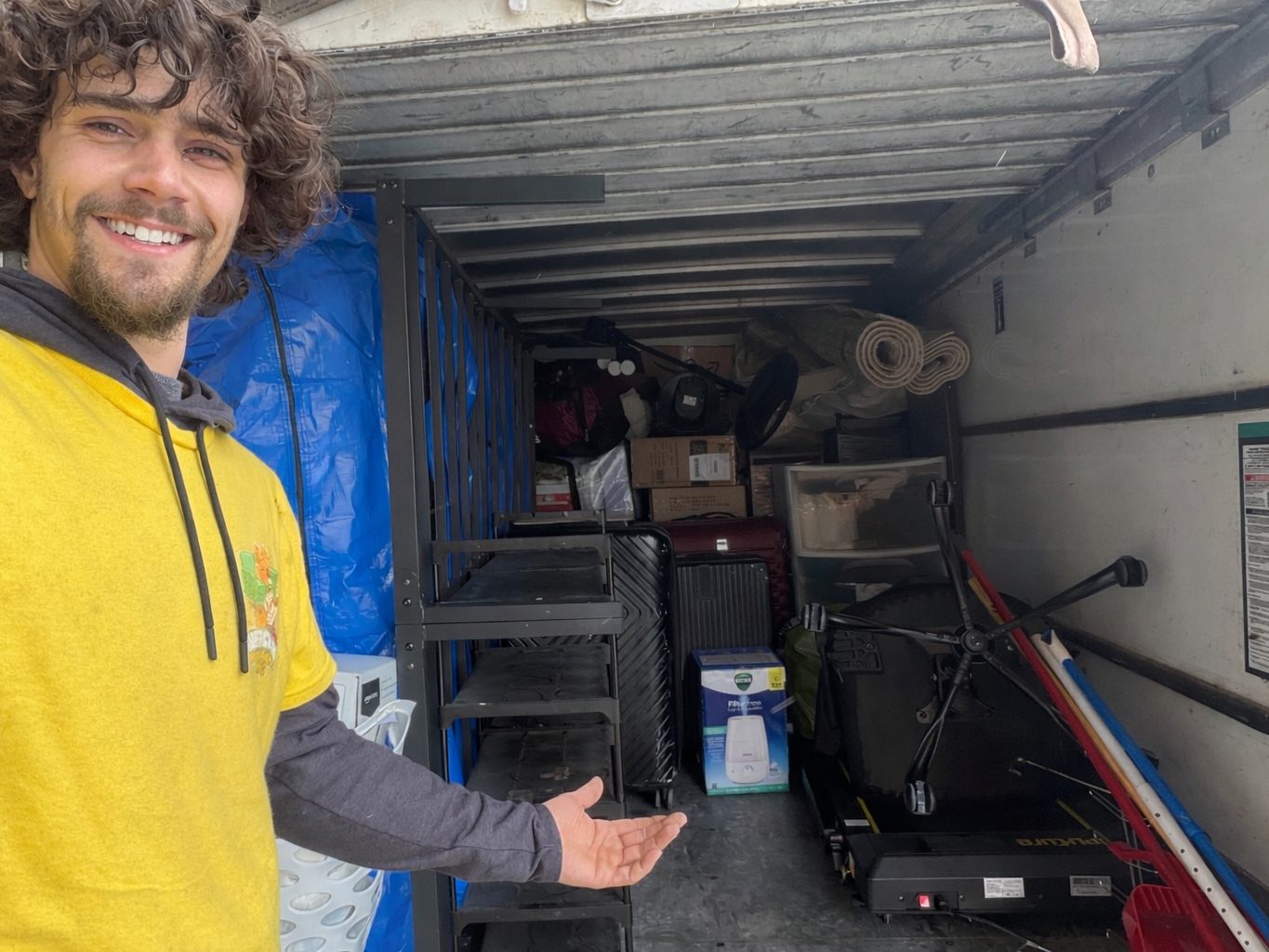
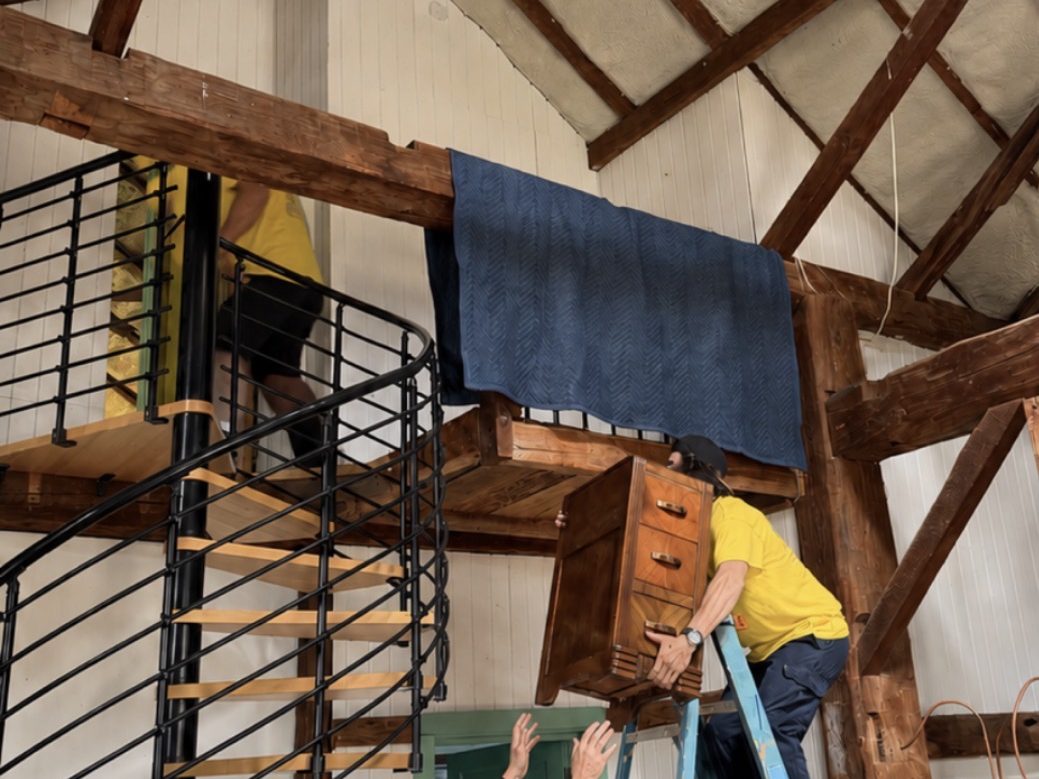 Stairs: a flight charge, quoted before the day.
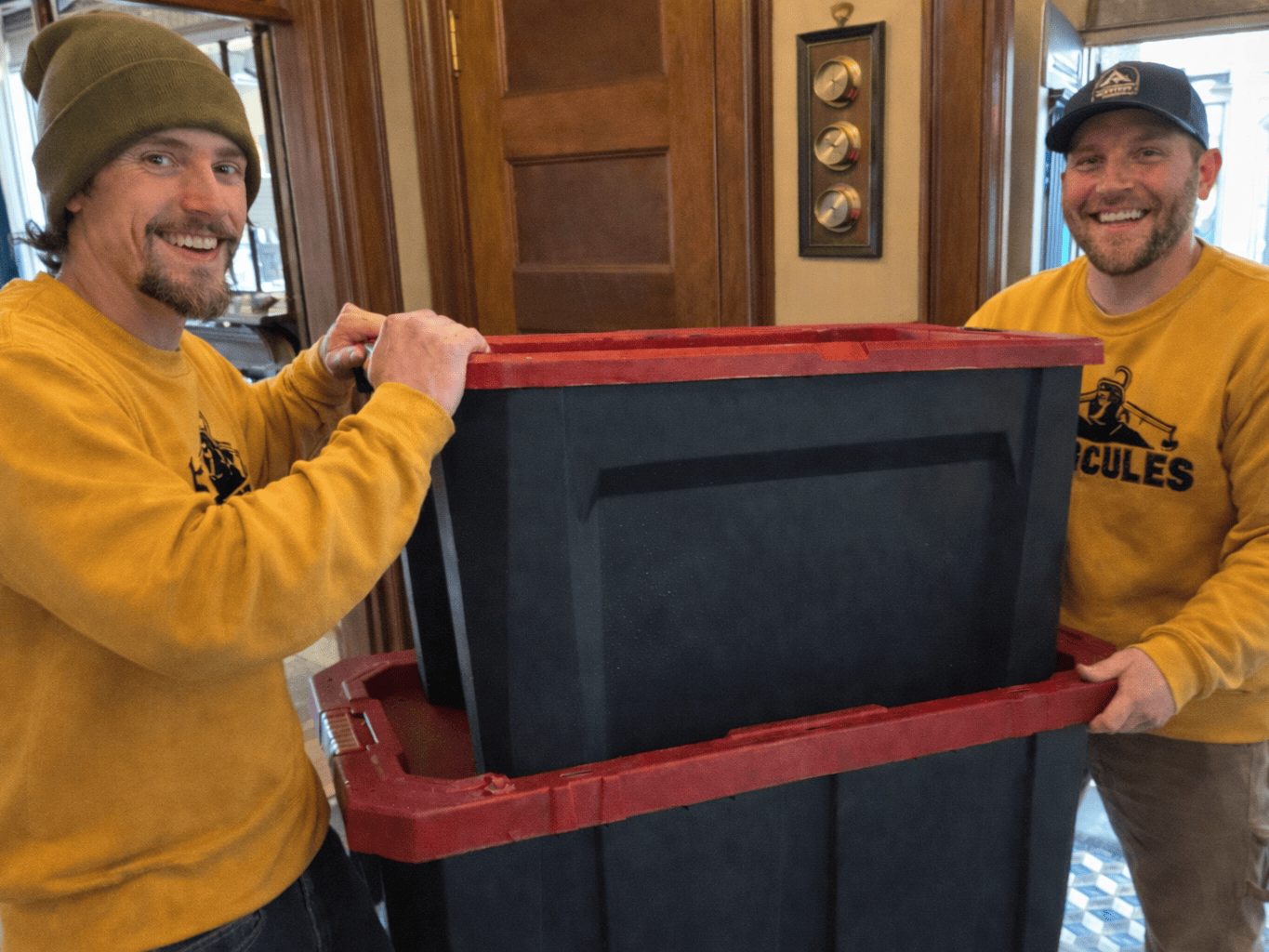 Long carry: the distance from the door to the truck.
 Moving blankets and film, on every piece.
L
- Labor-only
- A job where the customer supplies the truck, the pod or the container and you supply the muscle: loading, unloading, or both. No vehicle, usually no permit, and the easiest first job there is. It is on the first ad for that reason, and HireAHelper and Moving Help are marketplaces built around it.
- Lead
- A person who has contacted you about a move and has not booked yet. A lead site sells the same lead to several companies at once. A lead from your own profile or your own ad is yours alone, which is why the first five reviews matter more than any ad budget.
- Lift gate
- A powered platform on the back of a truck that raises loads to bed height. Slow for household moves. A ramp is faster for nearly everything a residential mover carries. Ask for a ramp truck when you rent.
- Long carry
- When the truck cannot get close and everything is carried farther than a normal driveway, usually defined as more than 75 feet. A standard accessorial charge at big companies. On a small company's hourly job it simply takes longer, and on a flat job it is the reason you asked "where can the truck park?" on the call.
M
- MC number
- The operating authority number the FMCSA issues to a carrier allowed to move household goods across state lines for hire. Required for interstate moving, on top of a USDOT number. Not needed for local work.
- Minimum
- The least you will leave the driveway for, expressed in hours on an hourly job. Ours is three hours. It is not greed: it is the truck, two people, the drive, and the morning the job took off the calendar. Why the minimum, not the rate, is what makes single-item jobs pay.
- Moving blanket (pad)
- The quilted blanket that goes around furniture before it goes on the truck, held on with stretch wrap or tape. A dozen is a starting kit. Customers notice them, which is why the photos on your profile should show furniture wrapped in them.
N
- No-show
- A customer who is not there, not packed, or not moving on the day you reserved a truck for them. The cure is a deposit. A customer with $100 down texts you when the closing slips. A customer with nothing down does not.
P
- Packing (full pack, partial pack)
- Putting the customer's things into boxes, as a service. A full pack is everything; a partial pack is the kitchen or the closets or "the stuff we did not get to." Billed on the clock at the hourly rate plus materials, and the biggest reason to quote hourly when the customer says "mostly packed."
- PBO (packed by owner)
- Boxes the customer packed. Written on the inventory because your valuation does not cover what is inside a box you did not pack. Say it plainly and kindly on the agreement.
- Piano board
- A padded plank with straps that an upright piano is tied to and rolled on a dolly. The tool that separates a mover who can take pianos from one who cannot. Do not take a piano job until you have moved one with someone who has.
- Pod (portable container)
- A steel or wood storage container the customer rents, dropped in the driveway, loaded, and hauled away by the container company. Loading or unloading one is labor-only work and the easiest flat quote there is, because the container defines the job.
- Portal to portal
- Billing from the moment the crew leaves your base until the moment they return, including the drive to the customer, the job and the drive back. The standard way to bill hourly, and the phrase to say on every hourly quote. "Two movers and the truck, $200 an hour, portal to portal, three-hour minimum."
R
- Ramp
- The pull-out metal ramp on the back of most rental trucks. Faster than a lift gate for a household move, and a truck with one is what you ask for at the rental counter. Wet ramps are the most common place a mover gets hurt.
- Released value
- The basic, no-cost valuation: 60 cents per pound per item, which is what federal rules require interstate movers to include. A 30-pound television is worth $18 under it. State rules for local moves vary. It is the default on most agreements, and a customer who has not been told what it means will be angry when something breaks. Offer full-value protection beside it.
- Review (Google review)
- The five stars on your Google Business Profile, and the most valuable thing a job produces after the payment. Ask at the truck, with the link already texted. Never buy them and never write your own.
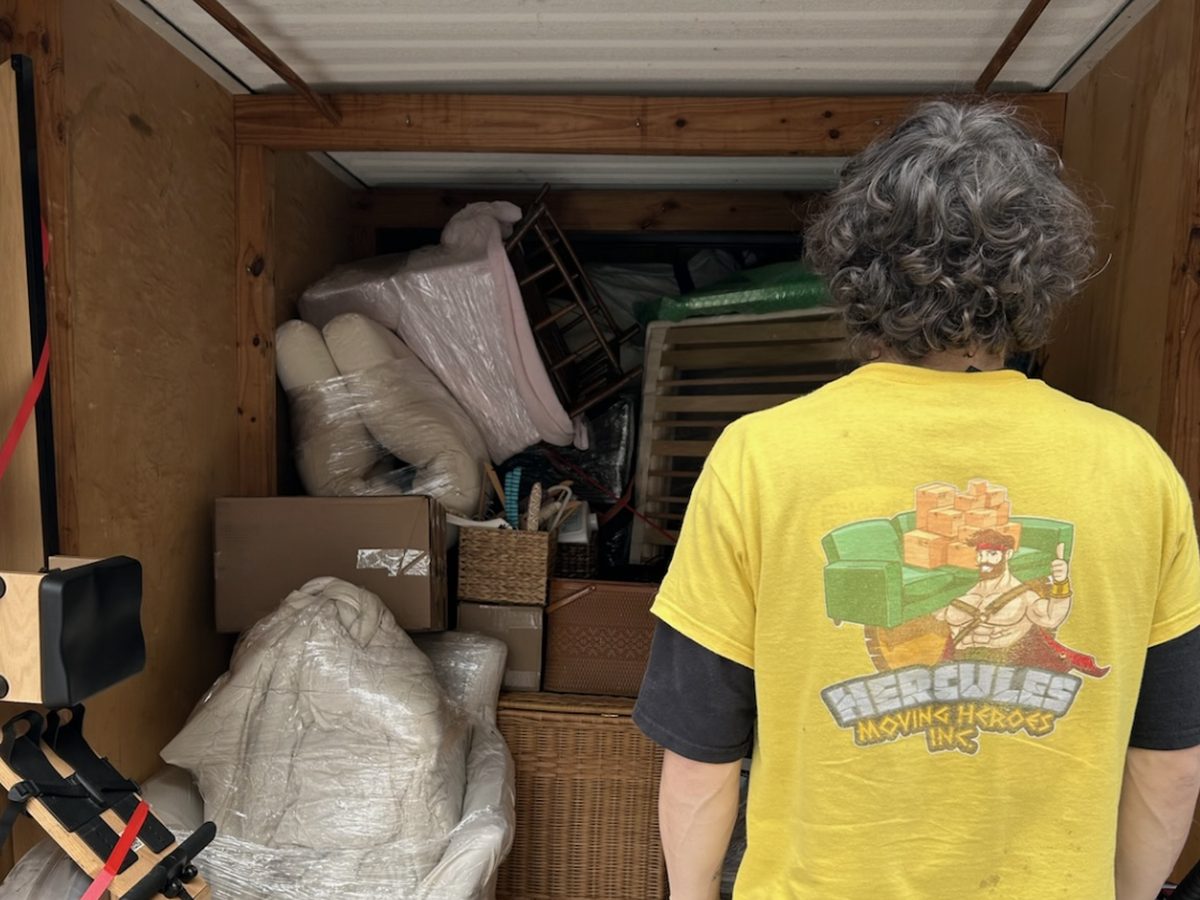 Portal to portal: the clock runs from the shop and back.
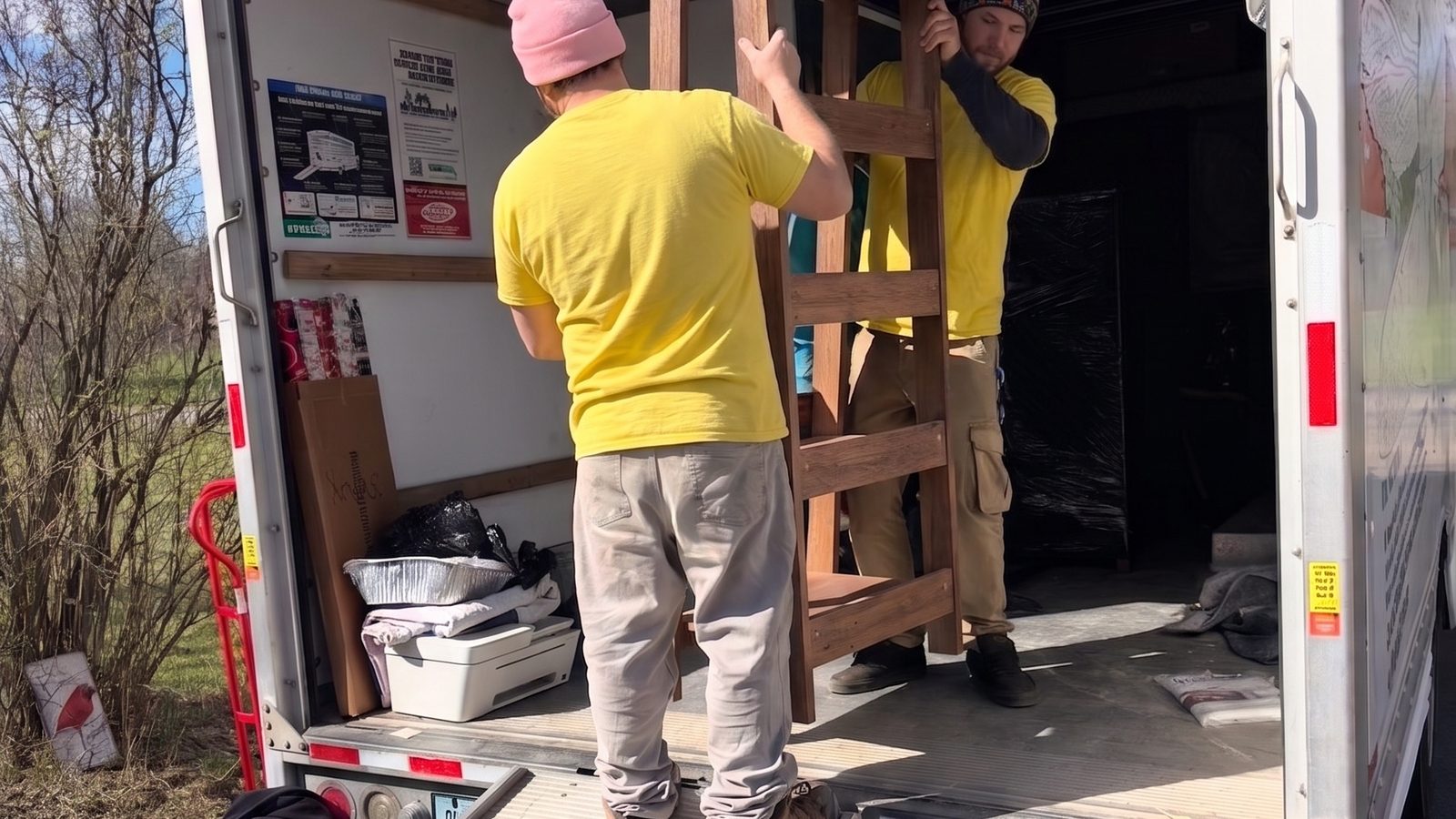 Released value: what the mover owes if this breaks.
 Crew lead: the one person on the truck who signs the paperwork.
S
- Shuttle
- Using a smaller vehicle to ferry a load between a big truck and a house the big truck cannot reach. An interstate-mover term mostly. For a local company the equivalent is renting the 15-foot truck instead of the 26 when the driveway is tight.
- Single-item move
- One couch, one safe, one piano, one hot tub. Quoted as one flat number, never by the hour with no floor. On its own trip it is priced near the minimum; tacked onto the end of a move you already have, it can be almost pure margin. The first jobs most new movers get, and the ones most of them lose money on. How we price them, with four real ones.
- Specialty item
- Anything heavy, awkward or fragile enough to need its own price: pianos, safes, hot tubs, cast iron stoves, pool tables, gun safes, large glass. A rule of thumb is anything over 300 pounds. Say the word "specialty" before the number and the customer understands why it is not $150.
- Stairs (flight charge)
- A per-flight accessorial charge at big companies. On an hourly job, stairs simply take time: plan an extra hour per flight at either end. On a flat quote, stairs are why you asked "what floor, and is there an elevator?" on the call.
- Straps (lifting straps, forearm straps)
- The webbing straps that let two movers carry a dresser or an appliance with their legs instead of their fingers. Under $30 a pair and the most-used tool on any job. Ratchet straps are different: those hold the load to the truck wall.
- Stretch wrap
- The roll of clear plastic film wrapped around furniture and over blankets to hold drawers shut and pads on. Two minutes per piece, and the visible proof to the customer that you are professional. Buy it by the case.
T
- Tariff
- The published price list a regulated mover files with the state or the FMCSA, covering rates and every accessorial. If your state requires one, its transportation department has the format. For most small local companies it is a one-page rate sheet.
- Travel fee
- A flat charge some movers add instead of billing drive time, usually an hour's rate. Either method is fine. The mistake is billing neither and eating the drive.
- Truck sizes (15, 20, 26 foot)
- Rental box trucks by length. A 15-foot truck holds a one-bedroom, a 20 holds a two-bedroom, and a 26 holds a three-bedroom house. Start with the 15 or 20, which any driver can back up a driveway, and step up when a job pays for it. Why you rent before you buy.
U
- USDOT number
- The federal identification number for a commercial vehicle operator, issued free by the FMCSA. Required for interstate work, and many states use it to register in-state commercial trucks too. Ten minutes online. Never pay a third-party site to file it.
V
- Valuation
- What you owe the customer if you damage something, chosen on the agreement. Not insurance, though customers call it that: it is your promise, and your cargo policy is what backs it. The two options are released value and full-value protection. Explain both before the move, in writing, every time.
W
- Walkthrough
- The five minutes at the start of a job where the crew lead walks the house with the customer, confirms what is going, notes anything already damaged, and asks what they are worried about. And the five minutes at the end where they walk it again and confirm nothing was left. Both prevent more bad reviews than anything else on the job.
- Workers' compensation
- Insurance that pays for an employee's medical care and lost wages if they are hurt on the job. Required in most states, including ours, from the first employee, and the fines for skipping it are bigger than the premiums. Get a quote before you hire a helper you schedule and direct.
Now the sentences
Where the words get used.
The FAQ
Thirty-five questions about getting into the business, from the truck and the license to the first customer and the first hire. Read it.
The script
Portal to portal, minimum, deposit and flat versus hourly, said out loud on a real quote call, word for word. The quote-call opening.
The calculator
Your costs in, your hourly rate, minimum, and a flat and hourly quote for the same job out. How the math works.
Missing a word?
Tell us on a call and it goes on the page. Every one of these terms shows up in Moving Company in a Month, the course, which opens November 3.