
The truck is the last thing you buy
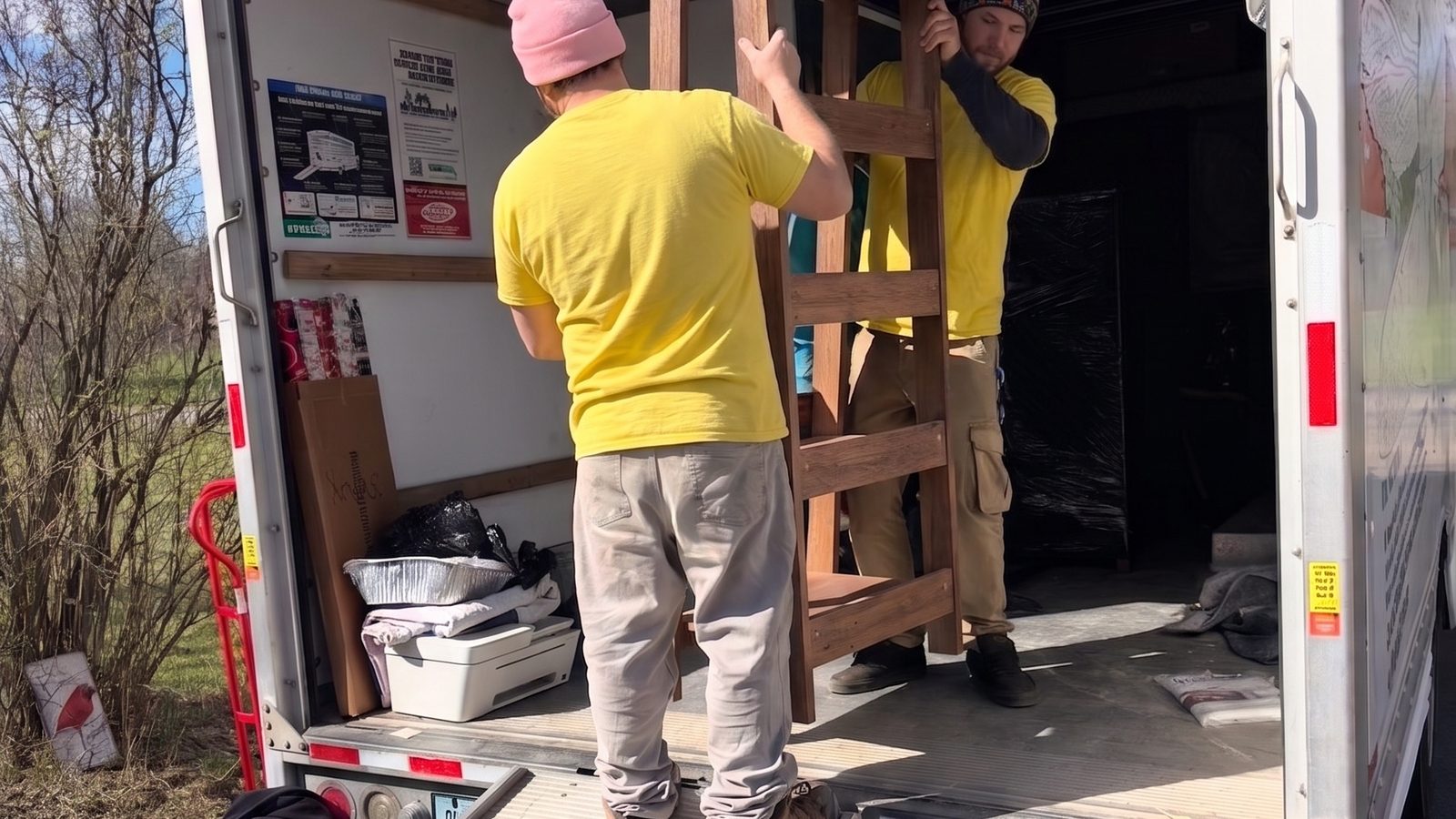
Everybody thinks they need $30,000 for a truck before they can take a single job. That belief is the only thing standing between most people and their first paid move.
When people find out I run a moving company, the first question is almost always the same. "What did the truck cost?"
Nothing. I did not own one. The company rented every truck it used until 2026, when we bought a pickup and a trailer, and we still rent box trucks when a job needs one.
That answer usually gets a confused look, so here is the whole logic.
The order most people get wrong
The way most people picture starting a moving company goes like this: save up or borrow for a truck, buy insurance for the truck, get the truck lettered, and then start looking for customers to put in it.
That is a $30,000 decision made before the phone has rung once. Most people never get past it, which is why most people never start. The ones who do get past it start their business in debt, with a monthly payment that forces them to take bad jobs just to cover it.
Flip the order. Book the job first. Then reserve the truck. The customer's payment covers the rental, and whatever is left after the rental and your helper is yours.
What that looks like on a real job
Say someone calls about a two-bedroom apartment across town. You quote it, they book it, you take a deposit. Now you go to the rental counter and reserve a truck for that day. On the day, you pick up the truck in the morning, do the job, get paid in full when it is done, return the truck that evening.
You never carried the truck. The customer did. If the job cancels, you cancel the rental. Nothing is sitting in your driveway costing you money while you wait for the next call.
What I actually spent before my first customer paid me
- A few dollars on Craigslist ads. Some markets are free.
- A Google Business Profile. Free.
- The truck rental. Zero up front, reserved after the job was booked and paid out of the job.
Under fifty dollars. That was the whole barrier between me and a paying customer.
Some jobs need no truck at all
Before you rent anything, there is a whole category of work with no truck in it. Labor-only jobs, loading or unloading a truck, pod or container the customer already rented, need nothing but your hands, a dolly and some blankets. They are the easiest first jobs there are, and in most states they sit outside the household goods rules. How labor-only works, and how to price it.
Which truck to rent
A 15 or 20-foot truck with a ramp from a commercial rental desk that knows the truck is going to a moving company: Penske's commercial side, Enterprise Truck Rental with business use selected, or a local truck rental company that rents to contractors. Not a consumer rental. U-Haul's terms say its trucks are rented for do-it-yourself moving only, and using one for a paid move can void the coverage you bought at the counter. What the rental terms actually say. A ramp, not a lift gate, for your first jobs.
- Reserve as soon as the deposit lands, not before. If the job cancels, you cancel the rental.
- Pick it up the night before if the rate allows, so the morning starts at the customer's door, not at the counter.
- Ask what coverage comes with it, in writing. Then ask your insurance agent about hired auto liability, which covers vehicles you rent for the business. That pair is the commercial auto policy you do not have yet.
- Start with the 15 or 20. A 26-foot truck is for a full house. It does not need a commercial driver's license, but it does need someone who can back it up a driveway.

When to actually buy one
There is a point where owning makes sense, and you find it from the numbers, after months of real jobs, not from a guess before your first one.
The rule we use: buy when the rentals for one month would have covered a truck payment and the insurance for that month, three months in a row, with money in the bank. Once you are renting more than six days a month, the numbers start to lean that way. For us that was 2026, our third year.
The order matters more than the truck:
- Rent, out of the customer's deposit.
- A trailer behind a pickup, if you already have the pickup.
- A used box truck, bought with cash from jobs already done.
That is the order we followed. This year we took step two and bought a pickup and a trailer. The pickup and trailer handle the jobs that fit on them, and the rental counter handles the ones that need a box truck.
Buying earlier feels like progress and is actually a fixed cost that makes you take the $400 job on a Tuesday to feed it. And even once you own one, plenty of days a rental is still the right call. A long-distance job, a second crew on a busy Saturday, a truck in the shop. We still rent for those.
Buy the truck when the jobs tell you to. Not before.
The mistake underneath the mistake
The truck is not really the problem. The problem is thinking the business starts when you own equipment. It starts when somebody pays you to move something. Everything else is a purchase you make out of the money customers already gave you.
Get the first job. The truck will still be there.
The rest of the order, from the first phone call to a crew you are not on, is in how to start a moving company. And when you are ready to price the job you are renting the truck for, put the rental into the calculator as a cost and double it like everything else.
- Moving pricing guideHourly or flat, how to say the rate, and how the math works. The calculator itself is in the course.
- Quote-call openingHow our quote call starts, word for word, with your name and rate filled in. The rest is in the course.
- Google Business Profile fieldsFree: what to set up first and the profile fields, word for word.
- One job, start to finishA real one-bedroom move, every message with its timestamp.
- Moving industry FAQThirty-five questions about getting in: trucks, licenses, insurance, pricing, hiring, when to buy the truck.
- GlossaryPortal to portal, released value, COI, and fifty more terms in plain English.
More from the blog
 How to start a moving company in Arizona: no state license, the hostage load law, what it costs, and what to do this weekArizona is one of the few states with no household goods mover license at all. What governs you instead is a 2017 consumer statute on contracts and hostage loads, ADOT's commercial registration and weight fees, and the ordinary rules on insurance, tax and employees. What each one requires, what it costs, and the work you can take this week.11 min read
 How to start a moving company in Georgia: the DPS household goods certificate, the maximum rate tariff, what it costs, and what to do this weekGeorgia licenses movers through the Department of Public Safety and publishes the maximum rate every mover may charge. What the household goods certificate costs, the insurance it requires, the state's hourly ceilings and minimums, the paperwork every Georgia move needs, and the work you can take before any of it.13 min read
 How to start a moving company in Illinois: the ICC license, the hearing, what it costs, and what to do this weekIllinois licenses movers through the Illinois Commerce Commission, and it is one of the few states that makes you prove a public need at a hearing, pass a written exam and file a rate tariff before the first paid move. What the license costs, the insurance it requires, the rules on estimates and liability, and the work you can take before any of it.13 min read
 How to start a moving company in North Carolina: the certificate of exemption, the maximum rate tariff, what it costs, and what to do this weekNorth Carolina licenses movers through the Utilities Commission and publishes the maximum hourly rate every mover may charge. What the certificate of exemption costs, the insurance it requires, the state's rate ceilings and estimate rules, and the work you can take before any of it.13 min read
 How to start a moving company in Ohio: the PUCO certificate, what it costs, and what to do this weekOhio licenses movers through the Public Utilities Commission, and the certificate is cheap, online and quick. What it costs, the insurance it requires, the tariff you write yourself, the paperwork every Ohio move needs, and the work you can take before any of it.12 min read