
Do you need a license to start a moving company? What the rules actually require
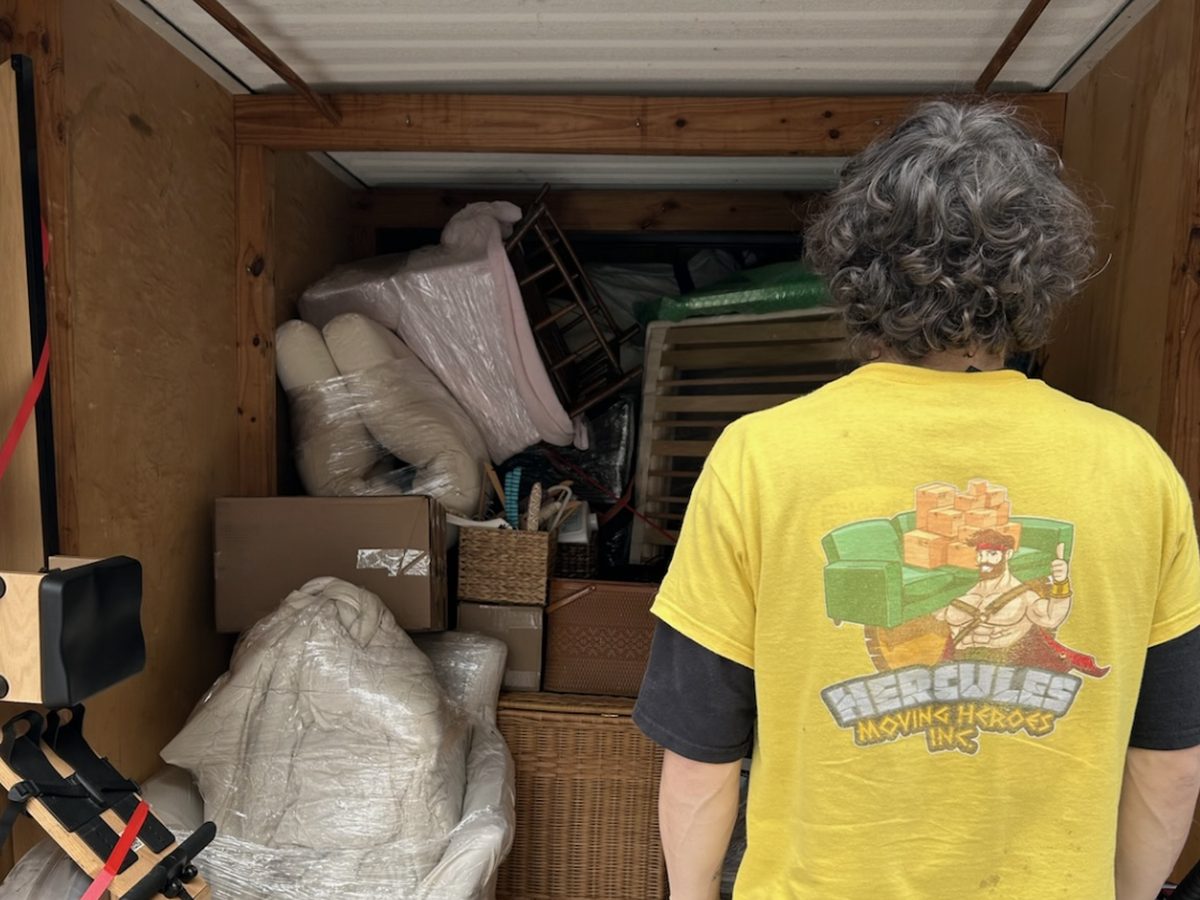
Which moving jobs need a USDOT number, federal operating authority or a state household goods permit, which ones need nothing, and what each one costs, from a licensed carrier that started with none of it.
The honest answer is: it depends on what you move and where you move it. That sounds like a dodge, but it is the most useful thing anyone can tell you, because it means some moving work needs no license at all, and that is the work you can start this week.
Our company is a licensed carrier today, with a USDOT number and a New York household goods permit. We did not start that way. My first job was one box carried from a post office for $75, and nobody needs a permit for that.
We are movers, not lawyers. Here is how the rules are built, what each piece costs, and how to find your own state's version. Read your state's actual page before you take a job that needs one.
The short answer, by kind of job
- Labor-only, loading or unloading a truck the customer rented: usually no mover license. A business registration and insurance.
- In-home moves, room to room or floor to floor: usually no mover license.
- Household goods within your state, in your truck or a rental: depends on the state. Many, including New York, require a household goods permit.
- Household goods across state lines: a USDOT number and federal household goods operating authority.
The rest of this post is the detail behind each row.
Moving across state lines: USDOT number and operating authority
If you move a customer's belongings from one state to another, the federal government regulates you through the FMCSA. You need two things:
A USDOT number. The federal identifier for commercial vehicle operators. It is free from the FMCSA and takes about ten minutes online. Many states also use it to register trucks that only ever operate in-state, so you may need one even if you never cross a state line.
Operating authority for household goods. This is the permission to move household goods for hire between states, sometimes called an MC number. The FMCSA charges a one-time $300 filing fee for each type of authority, and it is not refundable. Before the authority goes active you also need:
- Insurance on file with the FMCSA. Federal rules set the minimum liability at $300,000 for a fleet of only vehicles under 10,001 pounds, and $750,000 for vehicles of 10,001 pounds or more. Household goods carriers also need cargo coverage of at least $5,000 per vehicle and $10,000 per occurrence.
- A process agent filing, called a BOC-3, which names someone in each state who can receive legal papers for you. Filing companies do this for a small one-time fee.
Interstate household goods movers also have to follow federal consumer protection rules: written estimates, specific paperwork, and a set process for loss and damage claims. Expect weeks, not days, between applying and being allowed to operate.
Do not pay a third-party site to file any of this for you. Apply directly at fmcsa.dot.gov. The middlemen charge a few hundred dollars to fill in forms you can fill in yourself.
Moving within one state: your state's household goods permit
Most moves are local, and local moves are regulated by your state, not the federal government. This is where the rules vary the most:
- Many states require a household goods permit or certificate from the state transportation department before you move someone's belongings for hire. New York is one: you need a certificate of authority from NYSDOT to move household goods within the state or to advertise that you do.
- Some states require nothing beyond a normal business registration.
- A few set their own insurance minimums for intrastate movers, separate from the federal ones.
To find yours, search your state's name plus "household goods mover permit" and read the government page itself, not a forum or a filing company's summary. If the page is confusing, call the office. They answer this question every week.
We have written up nine states in detail: Texas, Florida, California, Illinois, Ohio, Georgia, North Carolina, Arizona and Washington. Each one covers the permit, what it costs, the insurance minimums, and the order to do it in.

Labor-only and in-home work: usually no mover license
Loading or unloading a truck, pod or container the customer rented is usually outside the household goods rules, because you are not transporting anything. The customer is. The same goes for moving furniture from room to room in one house.
That is why labor-only is the first job most people can legally take this week, with no truck and no permit. It is also why we tell everyone to start there. How labor-only works, and how to price it.
"Usually" is doing real work in that sentence. Check your state's page for the words "labor" or "loading" before you assume.
Does a rental truck need a commercial driver's license?
No. A 26-foot rental box truck does not require a commercial driver's license. What it does require is someone who can back it up a driveway, which is why we tell people to start with a 15 or 20-foot truck with a ramp. Which truck to rent, and when to buy one.
The business side: LLC and EIN
Not a mover license, but it sits next to one.
Before you carry a box for $75, you do not need an LLC. Before you take a full-house move, you do. An LLC separates your personal assets from the business, which matters the first time a customer's antique breaks or someone slips on a ramp. It costs somewhere between $50 and $500 depending on the state, takes a week or two, and you can file it yourself.
Get the EIN from the IRS the same day. It is free, and it lets the bank account and the insurance be in the company's name from the start.
Insurance is not a license, but you need it before the furniture
Every landlord, building manager and Google Local Services Ads application will ask for a certificate of insurance long before anyone asks for a permit number. At minimum, general liability before the first job with furniture in it, and workers' comp the day you have an employee. What a moving company's insurance covers and costs.
The order we would do it in
- This week: labor-only and in-home jobs. A business registration, a phone line, the first job page.
- Before the first full move: the LLC, the EIN, general liability insurance, and your state's household goods permit if it has one.
- Before the first employee: workers' comp.
- Before the first out-of-state job: the USDOT number, federal household goods authority, and the insurance filings that come with it.
Every step is paid for by the jobs from the step before it. That is the same order as everything else in this business: the first job comes before the truck, and each piece of paperwork comes before the first job that needs it.
If you are not sure what your state requires for the work you want to take, bring the question to the strategy call. Every term in this post, from USDOT to released value, is defined in the glossary.
- Moving pricing guideHourly or flat, how to say the rate, and how the math works. The calculator itself is in the course.
- Quote-call openingHow our quote call starts, word for word, with your name and rate filled in. The rest is in the course.
- Google Business Profile fieldsFree: what to set up first and the profile fields, word for word.
- One job, start to finishA real one-bedroom move, every message with its timestamp.
- Moving industry FAQThirty-five questions about getting in: trucks, licenses, insurance, pricing, hiring, when to buy the truck.
- GlossaryPortal to portal, released value, COI, and fifty more terms in plain English.
More from the blog
 How to start a moving company in Arizona: no state license, the hostage load law, what it costs, and what to do this weekArizona is one of the few states with no household goods mover license at all. What governs you instead is a 2017 consumer statute on contracts and hostage loads, ADOT's commercial registration and weight fees, and the ordinary rules on insurance, tax and employees. What each one requires, what it costs, and the work you can take this week.11 min read
 How to start a moving company in Georgia: the DPS household goods certificate, the maximum rate tariff, what it costs, and what to do this weekGeorgia licenses movers through the Department of Public Safety and publishes the maximum rate every mover may charge. What the household goods certificate costs, the insurance it requires, the state's hourly ceilings and minimums, the paperwork every Georgia move needs, and the work you can take before any of it.13 min read
 How to start a moving company in Illinois: the ICC license, the hearing, what it costs, and what to do this weekIllinois licenses movers through the Illinois Commerce Commission, and it is one of the few states that makes you prove a public need at a hearing, pass a written exam and file a rate tariff before the first paid move. What the license costs, the insurance it requires, the rules on estimates and liability, and the work you can take before any of it.13 min read
 How to start a moving company in North Carolina: the certificate of exemption, the maximum rate tariff, what it costs, and what to do this weekNorth Carolina licenses movers through the Utilities Commission and publishes the maximum hourly rate every mover may charge. What the certificate of exemption costs, the insurance it requires, the state's rate ceilings and estimate rules, and the work you can take before any of it.13 min read
 How to start a moving company in Ohio: the PUCO certificate, what it costs, and what to do this weekOhio licenses movers through the Public Utilities Commission, and the certificate is cheap, online and quick. What it costs, the insurance it requires, the tariff you write yourself, the paperwork every Ohio move needs, and the work you can take before any of it.12 min read